Parenting contains tiny emergencies: a forehead slam on a play area ladder, a toddler with a high fever at 2 in the early morning, a young adult that cuts herself throughout a weekend break soccer suit. A lot of the time those events finish with a bandaid, a trendy compress, or a calm phone call to the doctor. Every so often, nevertheless, a moment gets here that calls for crucial activity and the self-confidence to act before professional help shows up. That is the gap a local first aid course shuts, and for moms and dads in Jandakot the value is both useful and measurable.
How a regional course modifications outcomes When a youngster chokes, starts convulsing, or quits breathing, the initial couple of minutes figure out long-lasting recovery. Emergency situation clinical services response times differ; in suburbs like Jandakot you might wait ten to twenty mins for a rescue, sometimes much longer in off-peak hours. A parent that recognizes how to perform child-size upper body compressions, clear a respiratory tract, or manage severe bleeding can maintain a youngster alive and minimize the danger of brain injury. Courses that incorporate first aid and CPR instruct those immediate activities in hands-on sessions, not just lecture. Exercising on manikins, obtaining trainer improvement, and repeating the steps up until they feel automatic are what make the difference.
Local courses versus common training You can enjoy totally free video clips on-line and read standards, however a Jandakot first aid course tailored to moms and dads adds two important components. First, regional courses attend to the environment: backyard swimming pools, scooters and bikes on close-by paths, cooking area risks for family-style homes, and usual irritants in Perth. Second, regional trainers frequently bring tales from neighboring incidents, which makes the training realistic and straight suitable. That context assists parents prioritize: what to discover initially, what to carry in a family first aid package, and which scenarios legally require ambulance calls.
Which training choices matter for parents Not all certificates are equivalent for the needs of a household. Standard first aid covers blood loss control, burns, cracks, allergic reactions, and heat-related ailments. First aid plus CPR consists of adult, child, and infant CPR and use a computerized external defibrillator, usually shortened AED. Some service providers include pediatric-focused components, trauma management, or advice on psychological wellness crises. When checking out first aid training in Jandakot, examine whether the company offers pediatric situations and baby manikins. A CPR course Jandakot that just demonstrates adult strategies will certainly leave voids when your patient is under one year old.
A normal session that sticks with moms and dads A solid class builds muscular tissue memory. Expect a short theory intro to the physiology behind unconsciousness and heart attack, followed immediately by hands-on technique. Teachers ought to match students for compressions and air flows, appropriate hand positioning on manikins, and time compression cycles so trainees find out to switch without losing effectiveness. They need to simulate choking with small things that imitate typical house risks, and role-play a panic circumstance where one moms and dad needs to entrust jobs while executing first aid. That type of practice session under mild tension is what makes the strategies useful when genuine concern appears.
Concrete instances reveal why specificity helps I once saw a regional parent usage abilities discovered in a neighborhood course to conserve a toddler that had actually inhaled a little plastic grain. The parent acknowledged the indications of partial respiratory tract obstruction, positioned the youngster the method the instructor had actually shown, delivered back blows, after that performed baby upper body thrusts till the things expelled. Waiting on an ambulance would have risked complete obstruction. In an additional situation, a mommy applied a stress dressing and raising method she practiced in a course after her boy suffered a deep skate boarding laceration. She regulated hemorrhaging long enough for the injury to be sewn without significant blood loss. Those are not unique stories; they are the expected outcomes when parents go to first aid and CPR courses in Jandakot and exercise the skills.
Legal and neighborhood considerations Holding a present first aid certificate Jandakot is likewise valuable for college offering, regional sports clubs, and childcare settings where regulatory authorities or coordinators need qualified attendants. Numerous clubs now request a duplicate of a valid certificate for trains and group supervisors. For parents who drive carpool lines or run play days, having updated training implies less management challenges and more clear eligibility to respond in emergencies.
What a reasonable course schedule looks like Many comprehensive first aid and CPR Jandakot sessions run 3 to 4 hours for a standard certificate, sometimes longer if the company includes pediatric modules. Correspondence course, often called CPR correspondence course Jandakot, run around one to 2 hours and concentrate on compressions, air flows, and AED usage. If you have an active weekend schedule, look for evening or Saturday sessions offered by local training facilities. Some companies permit a mix of online concept followed by a shorter useful assessment in-person, which matches parents who favor to study around snoozes and college runs.
Choosing a service provider - what to check Parents should examine service providers on several useful criteria. First, inspect trainer credentials and class dimension. Smaller courses indicate even more hands-on time and customized comments. Second, learn whether the course issues nationally identified qualification, especially if you require a certificate for a volunteer duty. Third, confirmation of current manikins, AED instructors, and packages suggests a service provider who invests in realistic look. 4th, check out current evaluations from neighborhood parents rather than counting exclusively on advertising and marketing. A good question to ask a service provider is whether they consist of real-life pediatric scenarios and just how they manage high-stress role play. These information identify a training that builds confidence from a general overview.
A short list before you book
- verify the course covers infant and kid CPR check class dimension and trainer qualifications confirm qualification kind and expiry period ask whether concept can be done online and useful examined in person ensure hands-on practice with AED trainers and pediatric manikins
Practical preparation for the day of training Arrive rested, put on comfy clothing ideal for stooping, and bring a note pad if you like taking fast referrals. Parents need to also bring a recent medication checklist for family members, especially if allergies will be reviewed; knowing your home's drugs and dosages assists trainers customize recommendations. If the course permits, bring a partner you anticipate to depend on during genuine emergencies so you can practice handover and teamwork.
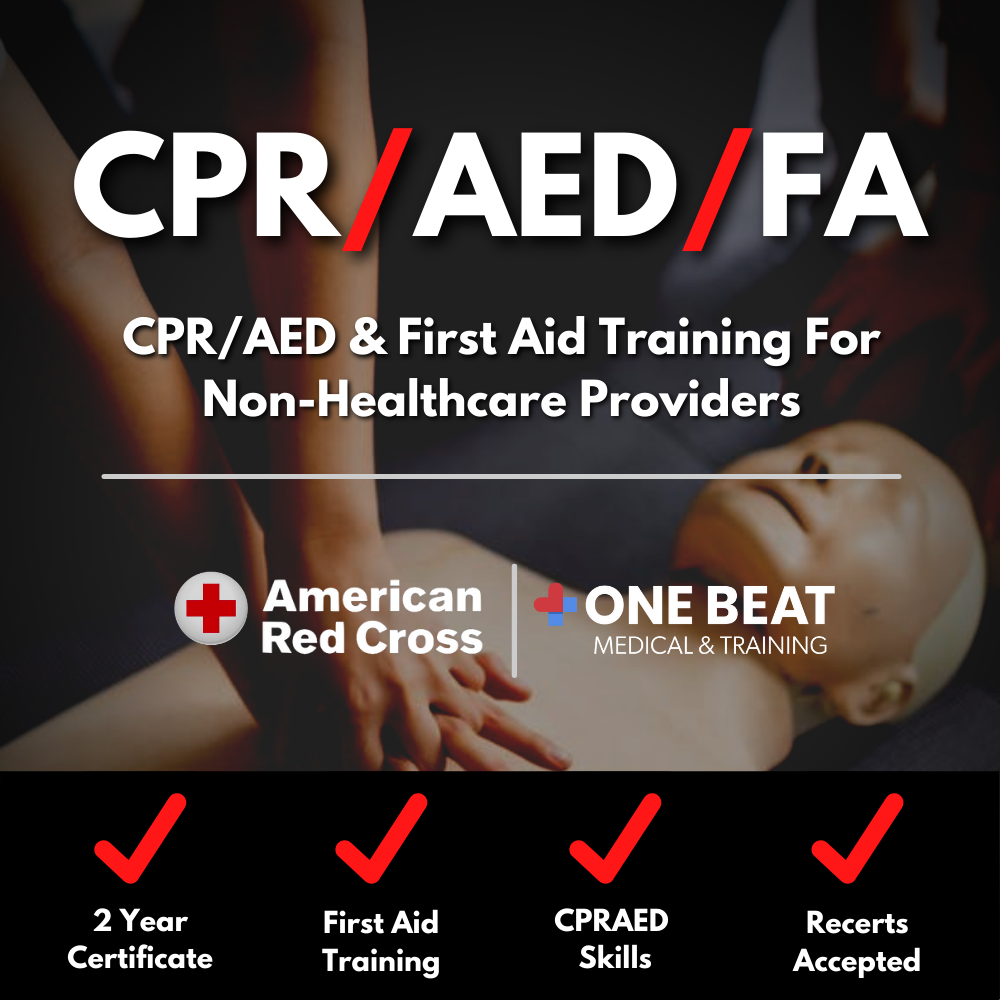
What you'll be able to do after a great course You ought to entrust the ability to carry out 5 core activities dependably: recognize the Additional reading unconscious or less competent kid, phone call emergency situation services and provide clear details, carry out chest compressions and rescue breaths ideal to the child's age, use an AED securely and successfully, and control serious bleeding. Past strategy, excellent training builds the judgment to know when to deal with in your home and when to look for urgent medical care. That judgment matters because unnecessary ambulance telephone calls can postpone sources, while reluctance in real emergency situations triggers harm.
Common compromises and side situations A parent might be reluctant over the expense of duplicating complete qualification yearly. Several service providers offer a functional approach: take a full first aid course every three years with a yearly CPR refresher course, or go to targeted workshops concentrating on pediatric emergency situations between full certificates. One more compromise is between online-only training and in-person practice. Online concept conserves time and can be complete, yet it can not replace hands-on modification of compression deepness, air flow quantity, and choke-management methods. If time is restricted, choose blended training that schedules a minimum of ninety minutes for practice.
Handling stress and anxiety and performance under stress Knowing first aid is not only about technique; it is about managing adrenaline. Teachers that simulate urgency with timed drills aid trainees find out to keep technique under stress. An easy breathing cue, a quick psychological list, and the understanding of a practiced series minimize the paralysis that panic can create. Moms and dads need to rehearse these hints at home with member of the family to make sure that in a genuine occurrence the action feels like a collection of practiced steps as opposed to an improvisation.
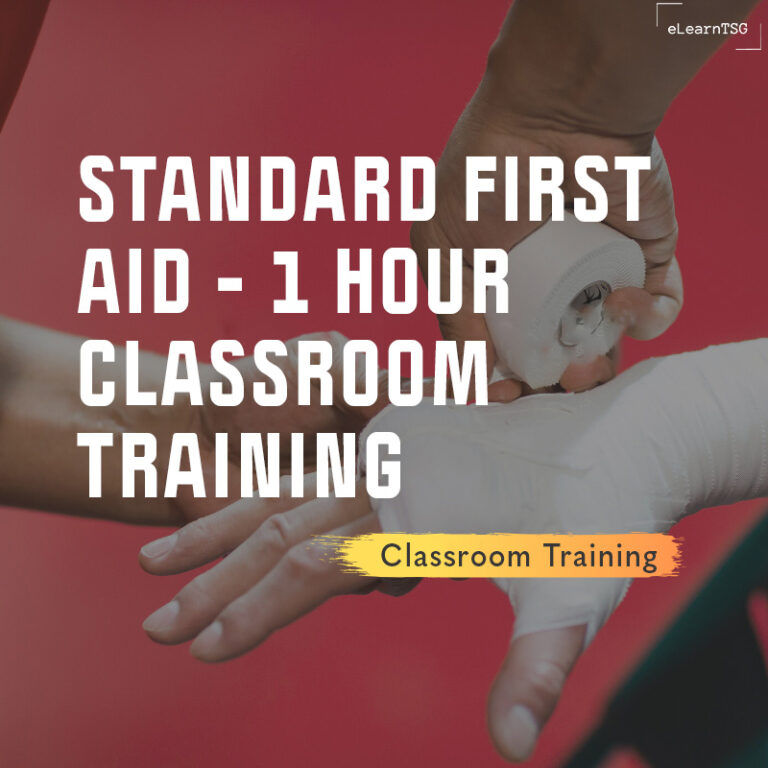
Equipment to maintain home and in the vehicle A compact family members first aid package, a pediatric mask for CPR, and a standard AED if you organize a showing off club are practical investments. Keep the package equipped: sticky dressings, sterilized gauze, a triangular plaster, tweezers, a digital thermometer, antihistamine for allergic reactions, and a ring binder with emergency situation numbers and medical notes for each and every youngster. Shop the kit in an understood place and show it to caretakers. Renew utilized or ended products immediately.

How to make the training stick past the certificate Strategy discolors without method. Short, monthly household drills lasting 5 to ten minutes maintain skills fresh and acquainted to youngsters too. Repetition aids remember under tension and stabilizes reaction so that kids learn their role also, for example, calling 000 and remaining on the line. Local community centers or playgroups often host refresher sessions; participating in with other moms and dads also develops a neighborhood network of experienced responders.
Finding courses in Jandakot Look for carriers promoting first aid training Jandakot or first aid courses in Jandakot, and filter for courses that detail pediatric or family-focused modules. Neighborhood community colleges, personal training organisations, and some health center outreach programs run normal sessions. If you require an accredited carrier, look for summaries that include country wide acknowledged devices or a declaration about compliance with workplace health and wellness requirements. Additionally consider "first aid pro Jandakot" listings for teachers that market certain pediatric expertise.
Final functional considerations Keep certification documents obtainable, either as a laminated card in your purse or a checked duplicate kept in a family emergency folder on your phone. Inspect renewal days and make a calendar pointer to schedule a refresher course. If you offer at your kid's college, bring evidence of existing qualification to the workplace. And when you return from a course, upgrade any kind of emergency action prepare for certain scenarios like severe allergies or bronchial asthma with the techniques you learned.
Parents that go to a Jandakot first aid course acquire more than a certificate. They get useful proficiency, quicker decision-making, and the confidence to act when seconds issue. The expense and time spent settle themselves whenever an injury is taken care of efficiently at home, during a play date, or on the sports field. For CPR refresher course households in Jandakot, first aid training is not an optional additional, it is one of the most cost-effective safety and security decisions you can make.